Reflexology and massage therapy share the same big goal: helping people feel better physically and mentally.
Reflexology is traditionally done on the feet, and what makes reflexology special is the way it focuses on certain areas on the feet called reflex points, and is based on the idea that these reflex points directly correspond to other parts of your body.
Massage therapy come with its own methods and benefits, so knowing what sets reflexology apart can help if you’re figuring out the best approach for your needs, or if you’re just curious about how these therapies work.
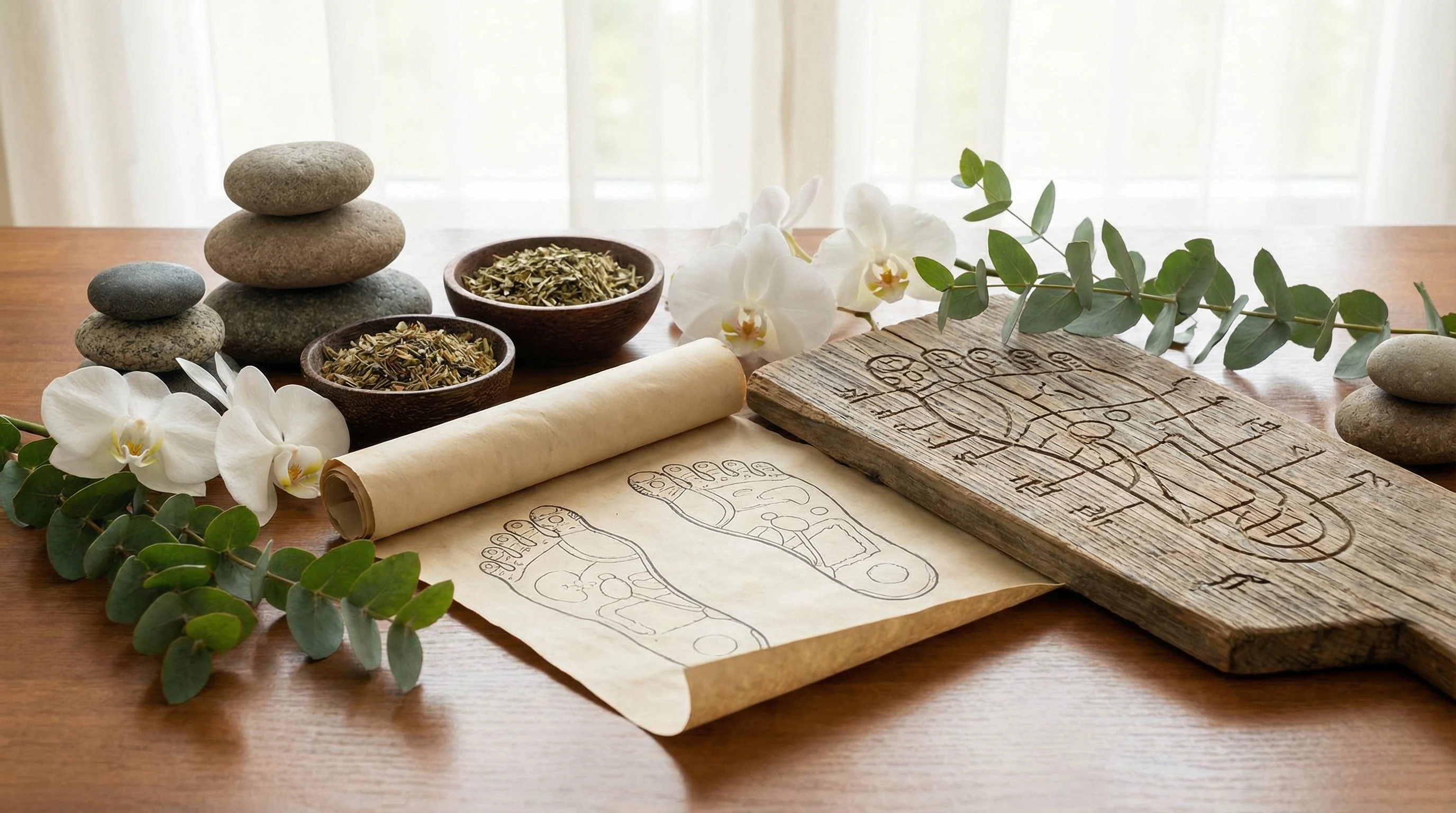
What is Reflexology? The Basics Explained
Reflexology works on the principle that certain areas of the feet correspond directly to specific areas of the body. Stimulating these areas on the feet with firm pressure, gentle kneading, or even holding can send signals through the nervous system to those corresponding areas in the body. This contributes to the body’s natural ability to return itself back to homeostasis and balance.
Reflexologists use thumb and finger techniques—rarely any tools. The idea is that every reflex point on the foot lines up with a specific organ or body system. For example, working on the arch of the foot may help your stomach or intestines.
How Reflexology Differs From Massage Therapy
The number one thing that sets reflexology apart from massage therapy is where the action happens and how it is targeted.
In a traditional foot reflexology session, the focus stays on the feet with the goal of supporting other body parts through manipulating the foot reflex points.
In massage therapy, the therapist works directly on muscles and soft tissues anywhere on your body, aiming to release physical tension in the muscles, stretch muscles, or boost blood flow.
While classic massage therapy is all about physically loosening muscles, flushing out toxins, and creating a sense of relaxation, reflexology aims to restore your body’s balance by nudging things along energetically. No oils or lotions are typically used in reflexology, and you’re often lying on a massage table or sitting up in a comfy chair (with just your socks off) instead of lying undressed under a sheet. For those who might feel uncomfortable getting undressed for a massage, reflexology can feel like a safer, more approachable option.
Potential Benefits and Uses: What Each Therapy is Known For
Reflexology’s biggest benefits are usually described as deep relaxation, stress reduction, increased circulation, enhancing the nervous system, and promoting homeostasis and balance, all of which benefit general internal health and wellness.
Massage therapy, meanwhile, places its main emphasis on the physical body [muscles, ligaments, and tendons] an be good for:
- Reducing pain from muscle knots or injuries
- Releasing muscle tension
- Improving mobility and joint flexibility
- Speeding up recovery after exercise
Both reflexology and massage therapy can support better sleep, help with chronic pain, and improve overall mood.
Getting Started: What to Expect at Your First Reflexology vs. Massage Therapy Session
- Reflexology: You usually keep your clothes on and only remove shoes and socks. The practitioner will use their hands to apply pressure to different spots on your feet. Sessions usually last 60 minutes, and most people describe the pressure as firm but not painful, though there might be a few tender spots.
- Massage Therapy: For Swedish and deep tissue massage, you typically undress to your level of comfort and lie under a sheet on a massage table. Oils or lotions make the therapist’s hands glide smoothly over your skin. Thai massage and Shiatsu are generally done with the client fully clothed, on a floor mat or table, with the therapist moving your limbs or holding pressure on certain points.
Challenges and Things to Think About
- Medical Limits: People who are pregnant or who have certain health concerns, like blood clots, foot wounds, or contagious skin conditions, might want to skip both reflexology and massage and talk to a doctor first.
- Misconceptions: Reflexology supporters sometimes claim it can “cure” diseases, but there’s no strong medical evidence for this. Think of it as supportive, not curative, just as you would view massage.
- Cost and Availability: Some insurance plans cover massage therapy but not reflexology, so checking in advance saves surprises. Licensed massage therapists are available in most cities, while reflexologists may be less common depending on your location.
- Expectations: Patience matters. Results may not show up instantly, and ongoing sessions could be needed for long-term benefits—but even a single session can be beneficial.
Giving your practitioner honest feedback during the session helps ensure you have the most helpful and enjoyable experience. This open line of communication leads to better trust and outcomes for both you and your therapist.
How to Choose: Reflexology or Another Massage?
If you’re deciding where to start, the biggest factor tends to be your goal.
If you want overall relaxation plus muscle relief for your back, neck, or shoulders, traditional massage therapy is a good fit.
If your needs are more about general health and wellness, reflexology is worth trying.
If you’re unsure, it’s always okay to try a session of each and see what suits your needs the best. Sometimes, talking to both the reflexologist and the massage therapist about your expectations can help you choose the right approach for you at this time.
FAQ: Quick Answers to Common Questions
Question: Is reflexology painful?
Answer: Most people find reflexology firm but not painful. You might feel some tenderness in certain areas, which practitioners sometimes say shows where your body needs balancing. Always let your reflexologist know if the pressure feels too intense.
Question: Can I do reflexology if I’m pregnant?
Answer: Although reflexology is considered to be generally safe, it is a good idea to talk to your professional health care provider before starting, especially during early pregnancy, since some pressure points are thought to trigger contractions.
Question: How often should I book sessions?
Answer: There’s no set rule. Some people go weekly or monthly for regular maintenance, while others book a session only when they feel extra stressed.
Question: Is reflexology covered by insurance?
Answer: Insurance coverage varies a lot. Some plans will pay for massage therapy but not reflexology. Checking with your provider and asking about specifics is a good idea.
Wrapping Up: Picking What Feels Right For You
Reflexology and massage therapy both bring real benefit for relaxation and general wellbeing, but the details of each method are different. It is always good to start with your personal comfort level and wellness goals—explore, ask questions, and don’t be afraid to try something new.